
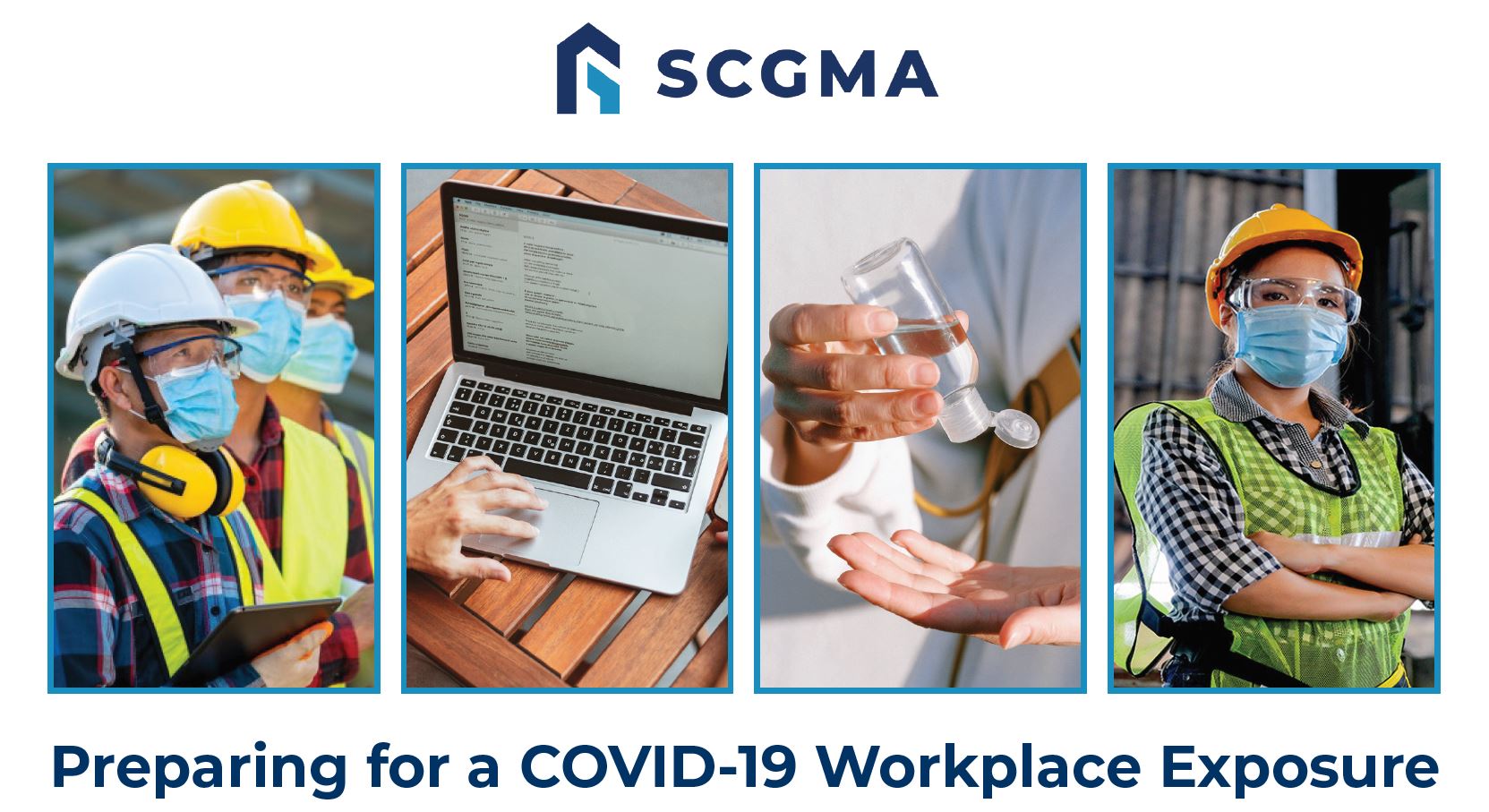
While some businesses allow their employees to work from home, others still require their workers to be in the office – it’s easier to help clients, communicate with coworkers, and access all necessary materials. But what happens if you or someone at work tests positive for COVID-19? Informed employees and companies prepared for coronavirus exposures have a better chance of managing the situation than those who don’t.
Make a Plan
To slow the coronavirus spread, Cal/OSHA implemented title 8 § 3205 in its General Duty Clause. The guideline’s purpose is to limit workplace exposure by requiring employers to establish, implement, and maintain a COVID-19 Prevention Plan. All employers and employees should be made aware of this plan in case of an outbreak.
Employers are also required to make sure their employees know about the company’s COVID-19 Prevention Plan. Management could openly discuss the plan in staff meetings, answer questions, and send reminders on key processes to get everyone on the same page. Workers may find it challenging to adapt and follow the new procedures at first, so concerns should be addressed early.
Cal/OSHA also requires workers exposed to or diagnosed with COVID-19 at work to be sent home immediately. Since those employees risk carrying the virus into their homes, households should also have a personalized coronavirus plan. By assigning living arrangements, knowing important medical information, and locating nearby testing sites, individuals can control the spread inside their homes. While this is not a required process, it will prevent the virus from returning to the workplace.
Understand Procedures and Guidelines
Employers must comply with California and Cal/OSHA regulations, and failure to do so has harmful repercussions. Although it may slow down a project timeline, following these guidelines also prioritizes workers’ health and safety, preventing others from getting sick.
The Southern California Glass Management Association (SCGMA) understands the challenge of distinguishing one regulation from another. That’s why SCGMA has continuously provided its member contractors with updates and resources shared on weekly e-newsletters. Con-tractors can also access these updates on the SCGMA Legislative Updates webpage and the COVID-19 webpage.
For instance, we have provided employers with documents explaining the process of Cal/OSHA, AB 685, and SB 1159 reporting requirements. SCGMA has also created charts to determine if an employee is approved for emergency sick leave and forms for employers to fill out during an outbreak. These guides reduce confusion and help employers get back to business.
Adjust for the Future
Companies should continuously find ways to create a safe and healthy workplace environment, especially after a COVID-19 exposure. After a possible outbreak, employers and employees should reflect on improvements to better prepare for another situation.
For example, everyone should practice better social distancing or regularly clean common areas and surfaces. Providing employees with sanitizing stations equipped with hand sanitizer, disinfecting wipes, gloves, and extra face masks would motivate them to take better safety measures. Employers should also remind their workers of COVID-19 safety measures by emailing or putting up posters and infographics.
In the end, being aware of COVID-19 safety protocols and legislations helps companies stay safe and remain under control. While it may be tedious, it is important to do what we can to protect one another.
This content was provided by SCGMA professional counsel and is for general informational purposes only. Readers should contact their own professional counsel for company specific matters in the relevant jurisdiction.